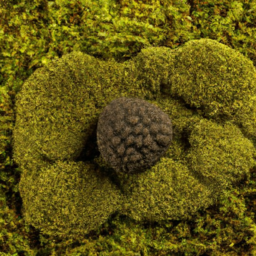
The word "truffle" conjures up a myriad of images, each as distinct and desirable as the last. For some, it's the earthy aroma of a rare, underground fungus gracing a gourmet dish. For others, it's the rich, melt-in-your-mouth experience of a luxurious chocolate confection. And in our increasingly digital world, "truffles" has even taken on a playful, contemporary meaning within internet culture. Understanding the comprehensive truffles definition requires exploring these three fascinating facets. This article will journey from the depths of the earth to the heights of culinary artistry and modern slang, demystifying this multifaceted term.
The Earth's Hidden Jewels: Defining the Culinary Truffle
At its most ancient and revered, a truffle refers to a type of edible subterranean fungus belonging primarily to the genus Tuber. Unlike common mushrooms that grow above ground, truffles thrive in symbiotic relationships with the roots of specific trees, such as oaks, hazels, and poplars, making them incredibly difficult to locate and cultivate. This elusive nature, coupled with their intense, unique flavor and aroma, is why they are considered one of the most expensive and sought-after ingredients in global gastronomy.
Rarity, Cost, and Culinary Prestige
The high cost of truffles stems directly from their rarity. They cannot be mass-produced like other crops; their growth is dictated by specific soil conditions, climate, and the presence of host trees. Regions like the Dordogne in France, Piedmont in Italy, and parts of Spain are famous for their truffle harvests. The intense demand and limited supply drive prices sky-high, sometimes fetching thousands of dollars per pound for the finest specimens. Their savory, pungent, and often musky aroma is so potent that even a small shaving can elevate an entire dish, imparting a distinctive umami-rich flavor that is unforgettable.
Key Types and Harvesting Secrets
While there are many varieties, the culinary world largely obsesses over two main types: the Black Truffle (Tuber melanosporum), often called the "Périgord truffle," and the White Truffle (Tuber magnatum pico), or "Alba truffle." Black truffles, typically harvested in winter, have a more robust, earthy, and complex aroma, often used in cooked dishes. White truffles, found predominantly in autumn, are even rarer and more intensely aromatic, with notes of garlic and honey. They are almost exclusively used raw, shaved thinly over warm pasta, risotto, or eggs, to preserve their delicate volatile compounds.
Historically, pigs were used to sniff out truffles, as the fungus releases compounds similar to their sexual pheromones. However, pigs are notoriously difficult to control and often eat the truffles they find. Today, specially trained dogs, like Lagotto Romagnolos, are the preferred choice. Their keen sense of smell, combined with their trainability and less destructive foraging habits, makes them invaluable partners in the truffle hunt.
Utilizing the Delicacy: Tips for the Home Cook
For those fortunate enough to acquire fresh truffles, handling them with care is paramount. Store them in an airtight container in the refrigerator, ideally nestled in rice or eggs, which will absorb their aroma. Use them quickly, within a few days, as their potency fades. Beyond fresh shavings, truffle oil (be sure to choose high-quality oil made with real truffles, not just synthetic aroma), truffle butter, and truffle salt offer more accessible ways to infuse your dishes with that unmistakable flavor. A little goes a long way, so use sparingly to enhance, not overpower, your culinary creations.
Sweet Indulgence: The Decadent Chocolate Truffle
Shifting from the savory to the sweet, another cherished truffles definition describes a beloved confectionery: a small, round, very soft chocolate candy. These decadent treats typically consist of a rich chocolate ganache center—a creamy mixture of chocolate and cream—which is then coated in cocoa powder, chopped nuts, chocolate shavings, or even a hard chocolate shell. Their luxurious texture and intense chocolate flavor have made them a staple in fine patisseries and gift boxes worldwide.
The Naming Origin: A Nod to the Fungus
The chocolate truffle earned its name in the 1920s, not for any shared ingredient, but purely for its striking resemblance to the earthy fungus. The irregular, often lumpy, dark brown appearance of the original cocoa-dusted chocolate truffles mirrored the rough, subterranean look of their namesake. This clever appropriation of a luxury term helped establish the chocolate version as an equally sophisticated and desirable indulgence.
Varieties and Craftsmanship
The world of chocolate truffles is incredibly diverse. While the classic Parisian truffle is a simple ganache dusted with cocoa, modern iterations know no bounds. Fillings can range from traditional plain dark chocolate ganache to infused varieties with rum, liqueurs, fruit purees, caramel, or even spices. Coatings also vary widely, from finely sifted cocoa powder to roasted nut pieces, shredded coconut, or a gleaming tempered chocolate shell. Crafting these candies is an art form, requiring precision in tempering chocolate and blending ingredients to achieve the perfect balance of flavor and texture.
When selecting chocolate truffles, look for those made with high-quality chocolate, natural ingredients, and a smooth, melt-in-your-mouth texture. For a delightful home project, try making your own simple chocolate ganache, chilling it, rolling it into balls, and then dusting with cocoa or rolling in crushed pistachios for a personalized touch of decadence.
Beyond the Plate: Truffles as a Modern Slang Term
In a surprising and rather playful twist, the word "truffles" has also found a unique space within contemporary internet culture, evolving into a slang term. This modern truffles definition leverages the established connotations of the rare fungus and the luxurious chocolate: exclusivity, rarity, high status, and desirability. It's a testament to how language adapts and borrows from existing concepts to create new, expressive meanings in digital communication.
From Gourmet to "Bougie": The Evolution of Slang
The slang usage of "truffles" originated in pockets of online communities, particularly on platforms like TikTok and Twitter. It's used to describe something that feels fancy, exclusive, highly coveted, or aspirational – essentially, anything that's "bougie" or worth flexing about. This linguistic evolution mirrors older slang trends where food words (like "tea" or "spice") became metaphors for status or affection, demonstrating our tendency to use tangible, often luxurious, items to describe abstract concepts of value or desire.
Understanding the "Truffles" Vibe
When someone says "my vibe is truffles," they're implying their aesthetic or personality exudes luxury, rarity, or a sophisticated edge. If a friend describes a restaurant or an event as "that spot is truffles," they mean it's exclusive, high-end, or exceptionally desirable and worth going out of your way for. The term can also be used ironically, such as tagging a thrift store find with "truffles energy" to playfully acknowledge its unexpected chicness or to poke fun at aspirational fashion.
The beauty of "truffles" slang lies in its versatility and the subtle nuances conveyed by context and tone. It can be a genuine expression of admiration, a performative flex, or a self-deprecating joke. The pronunciation, "truh-fuls," can be drawn out for mock elegance, spoken flat for irony, or delivered in a hushed tone for genuine awe, each shifting the meaning. For a deeper dive into this fascinating linguistic trend, check out our article on Truffles Slang Meaning: Uncover Its Viral Status on TikTok & Beyond.
Navigating the Truffle Universe: Key Distinctions and Shared Prestige
As we've explored, the word "truffle" holds three distinct yet interconnected meanings. On one hand, it defines a highly prized, earthy subterranean fungus that elevates haute cuisine with its unique aroma and flavor. On the other, it refers to a luscious, creamy chocolate confection, a symbol of sweet indulgence. And most recently, it has emerged as a vibrant slang term, reflecting anything rare, luxurious, or highly desirable in modern online discourse.
While the culinary truffle and the chocolate truffle are distinct entities – a fungal delicacy versus a sweet treat – they share an underlying theme of luxury, exclusivity, and desirability that is then cleverly borrowed by the slang usage. Remember, as the old adage goes, don't combine the savory fungus with the sweet chocolate in the same dish unless you're intentionally experimenting with avant-garde fusion! Each form of "truffle" offers a unique experience, a testament to its singular appeal.
For a comprehensive overview of all these definitions and more, explore The Ultimate Guide to Truffles: Fungus, Candy, and Viral Slang.
In conclusion, the multifaceted truffles definition is a remarkable journey from the forest floor to the dessert plate and ultimately, into the lexicon of digital culture. Whether you're a gourmet chef, a chocolate connoisseur, or a trend-savvy internet user, the word "truffle" consistently evokes images of something precious, exceptional, and undeniably special. Its enduring allure, in all its forms, continues to captivate and delight.